Indigo Snakes in north Florida
Indigo release ’24: Cola River, Zooniverse, and 41...
Wild born indigo snakes found at Apalachicola Bluffs...
2023 Update On The Reintroduction Of Eastern Indigo...
Latest Indigo Snake Release the Largest at Apalachicola...
Searching for Indigo Snakes in the Apalachicola Bluffs...
Snakes, Eagles, & Gopher Tortoises at the E.O....
The WFSU Ecology Blog
  • Home
    • About the WFSU Ecology Blog
    • EcoAdventures
      • Kayak and Canoe Adventures
      • Hiking
      • Wildlife Watching
    • Observations From the Field
      • White Pelicans Visit Dr. Charles L. Evans Pond in Tallahassee
      • An April Walk at Ochlockonee River WMA
      • Nesting Raptors at Honeymoon Island State Park
    • WFSU Public Media Home
  • Documentaries
    • Secrets of the Seep: A Voyage into the Mysteries of Ocean Carbon
    • Finding the First Floridians: Underwater Archeologists Uncover Florida’s Prehistory
    • In Their Words: Black Legacy Communities in North Florida
    • EcoCitizen Show | Seasons in South Tallahassee
    • Red Wolf Family Celebrates First Year at the Tallahassee Museum
    • Roaming the Red Hills
    • Oyster Doctors
    • Testing the Ecology of Fear
    • EcoShakespeare
    • Stories from the Apalachicola
    • Classic WFSU Ecology Documentaries
  • Habitats
    • Estuaries
      • Oyster Reef
        • The Effects of Predators and Fear on Oyster Reefs
        • Apalachicola Oyster Research
        • Animal Species in a North Florida Intertidal Oyster Reef
        • Oyster Reef Ecology | On the Reef
      • Salt Marsh
        • In the Grass- Salt Marsh Biodiversity Study
        • Plants and Animals of a North Florida Salt Marsh
        • Salt Marsh Ecology | In the Grass
      • Seagrass Bed
        • Predatory Snails, and Prey, of the Bay Mouth Bar Seagrass Beds
      • In the Grass, On the Reef Glossary
    • Waterways Big and Small
      • Aucilla/ Wacissa Watershed
      • Apalachicola Basin
        • Apalachicola Bluffs and Ravines | Virtual Field Trip
        • The Age of Nature Screening & Discussion | The Future of the Apalachicola
        • Apalachicola River and Bay
        • Apalachicola RiverTrek | Kayaking, Camping, & Hiking the River Basin
    • Longleaf Pine & Fire Ecology
  • Backyard Habitat
    • Backyard Blog
      • My Year in Bugs: the 2022 Backyard Blog
      • Backyard Ecology Blog | 2021
      • Backyard Blog November/ December 2020
      • Backyard Blog September/ October 2020
      • July and August 2020 Backyard Blog
      • Backyard Blog June 2020
      • Backyard Blog May 2020
      • Backyard Blog April 2020
      • Backyard Blog February and March 2020
      • Backyard Blog January 2020
      • Backyard Blog October through December 2019
      • Backyard Blog September 2019
      • Backyard Blog August 2019
      • Backyard Blog July 2019
      • Backyard Blog June 2019
      • Backyard Blog May 2019
      • Backyard Blog April 2019
      • Backyard Blog March 2019
      • Backyard Blog February 2019
      • Backyard Blog January 2019
      • The Backyard Bug Blog 2018
    • Backyard Flora and Fauna
      • Bees of North Florida and South Georgia
      • Wasps of North Florida: The Bad, the Ugly, and the (yes, really) Good
      • The Seasonality of Bees (and Bee Plants) in North Florida
      • Woody Vines of North Florida
      • Flies of North Florida are More Diverse than You’d Think
      • The Case for Weeds, Our Unsung Florida Native Plants
      • Devil’s Walkingstick: Your New Favorite Thorny Pollinator Plant?
      • Florida Native Milkweed | Tips for Growing Your Monarch Friendly Garden
      • Mistletoe | A Parasite for the Holidays (But Maybe We Like it Anyway?)
    • Florida Friendly Seasonal Planting Guide
    • Pollinator and Gardening Posts
    • Gardening Web Resources

Lake Elberta: Building an Urban Habitat in the Heart of Tallahassee

by Rob Diaz de Villegas May 6, 2021

Click to subscribe to the WFSU Ecology Blog

From the road, Lake Elberta is practically invisible. It’s a retention pond, built in a low lying area that falls even further below Lake Bradford Road. It’s easy to pass its sign and small parking area as you approach Gaines Street, and Florida State University. And yet, it may be the most important urban bird habitat in Tallahassee.

Here is your guide to the challenges it faces, and the work being done to make it a true community asset.

Featured Story: Why is there so Much Garbage in Lake Elberta?

SAIL High School Student Chloe Reese Thompson takes photos at Lake Elberta.

Chloe Thompson is our Age of Nature Ecology Intern. Her experience at WFSU is centered on helping the Apalachee Audubon Society at Lake Elberta. She helped coordinate a cleanup of the lake, and in this post, she looks at the sources of the considerable litter in the lake. What can we learn about the flow of garbage into stormwater ponds, places that often become valuable urban wildlife habitat?

Click to Read Chloe’s Story!

Get to know Chloe on our Voices that Inspire radio series.

WFSU’s Lake Elberta Stories over the Years

We first starting visiting Lake Elberta in 2019 for the EcoCitizen Project. EcoCitizen promoted citizen science and creating wildlife habitat in our own homes. Apalachee Audubon’s work to enhance the habitat served as a good model for what we can accomplish in our home spaces. Also, citizen science apps like iNaturalist and eBird let us track our success in attracting wildlife, as well as allowing us to track invasive species.

Lake Elberta serves different communities, located between FSU, Florida A&M University, College Town, and Elberta Empire, a historically black neighborhood. It’s also right off the Capital Cascades Trail, not far from Railroad Square. It’s a green space amid a lot of heavily populated concrete spaces, and garbage and stormwater runoff flow down into it. And yet, it may be the most important urban bird habitat in Tallahassee.

It ranks as Tallahassee’s number four birding hotspot on eBird, Cornell’s bird database. The other sites in the top five are by Tallahassee’s larger natural lakes, further out from the center of town. Perhaps it’s because Lake Elberta is a green oasis, and a nice sized body of water, where habitat is otherwise scarce.

Because it serves diverse communities, and because of its surprising wildlife value, Apalachee Audubon Society has put a lot of work into the place. WFSU has covered their projects here since 2018. These include the installation of nesting boxes and a bat house, invasive plant removals, native and fruit tree plantings, and trash cleanups.

Lake Elberta Park | A Tallahassee Bird Watching Oasis
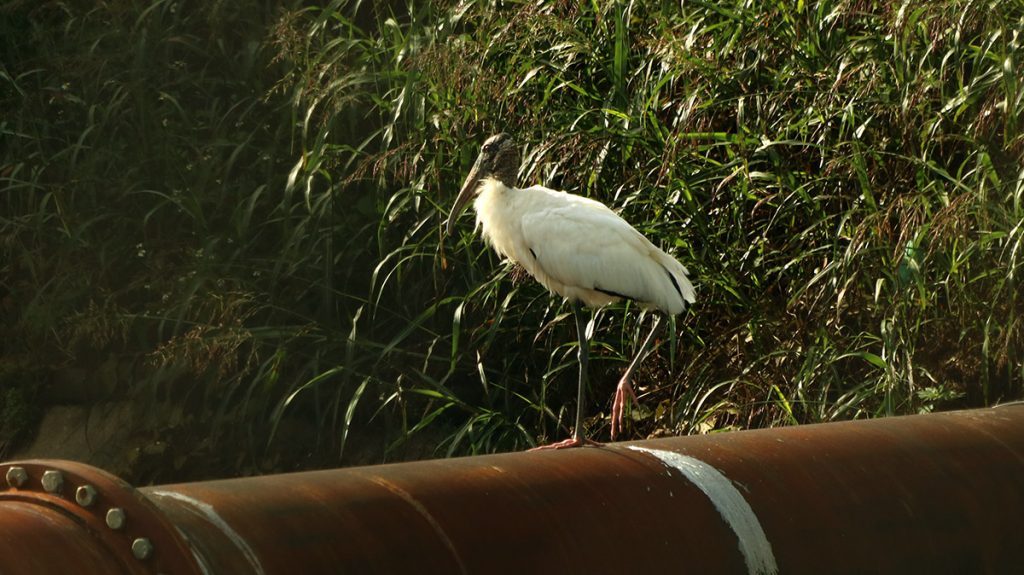
Apalachee Audubon’s Peter Kleinhenz introduces us to Lake Elberta, and the work being done to improve it. From January 2019.

Lake Elberta and the Seasonality of Birds in Tallahassee
Lake Elberta is the number 4 birding hotspot in Tallahassee, based on eBird sightings. We look at migrants and residents we can find here, and Apalachee Audubon’s work to enhance bird habitat.

Making Lake Elberta a Florida Friendly Landscape
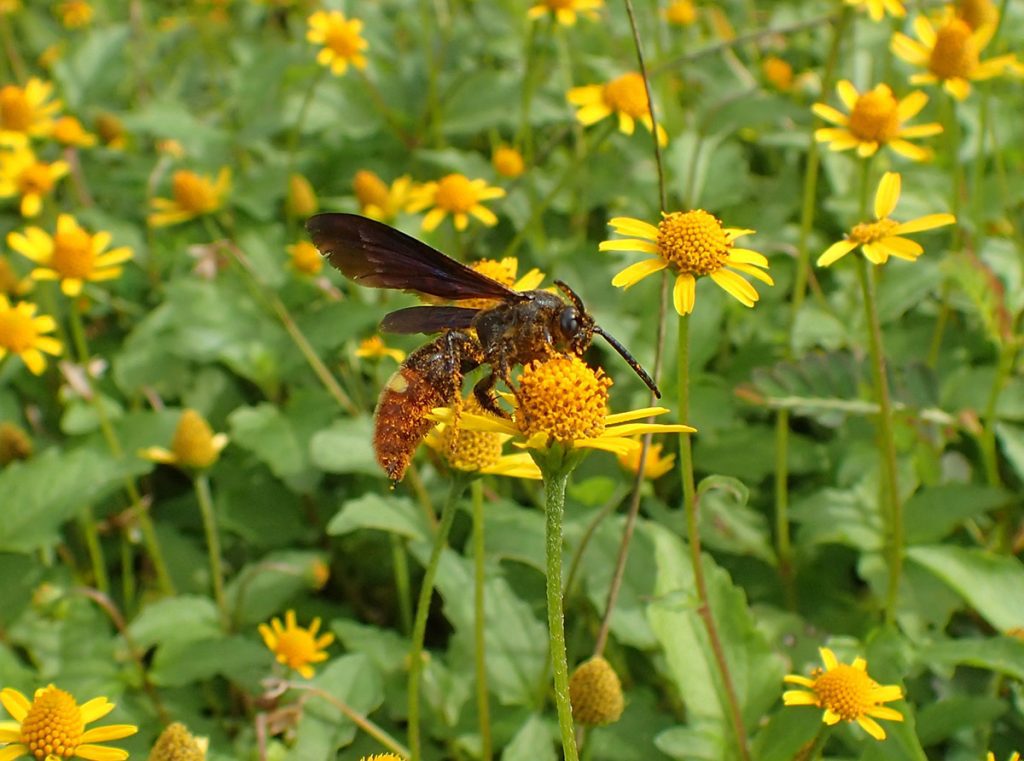
To make Lake Elberta a better bird habitat, Apalachee Audubon is enhancing plant life here. Native plants = native insects, the foundation of a healthy food web for birds and other wildlife.

EcoCitizen Show | Four Seasons in South Tallahassee
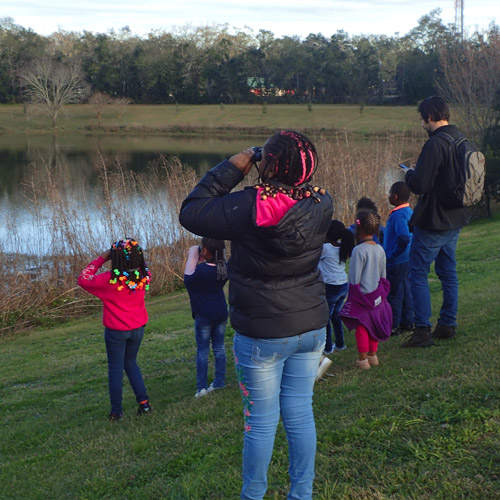
We visit one urban location (Lake Elberta) and one forest location (The Munson Sandhills) over the course of a year. Each experiences seasonality in its own way.

Enhancements at Lake Elberta

Starting in 2019, Apalachee Audubon has coordinated several efforts to enhance Lake Elberta for animals and humans alike. Partnering with the City of Tallahassee, Native Nurseries of Tallahassee, and Florida Native Plant Society, among others, Apalachee Audubon has organized native tree and wildflower plantings, food tree plantings, and trash cleanups.

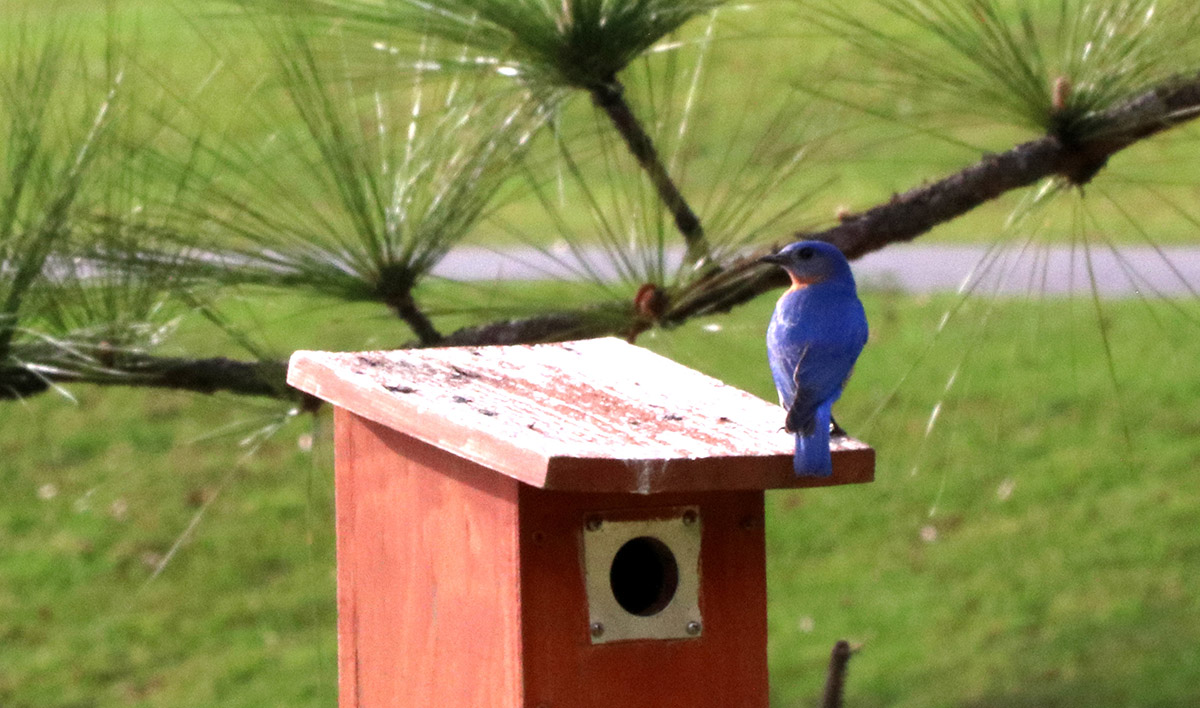
They’ve also installed nesting structures for bluebirds, purple martins, wood ducks, and most recently, bats, as well as signs to educate the public about the park’s wildlife. Purple martins, bluebirds, and wood ducks have been making use of their nesting gourds and boxes. Apalachee Audubon installed the bat house in December of 2020, and bats have not moved in as of this writing.

A 0.7 mile paved path encircles Lake Elberta, which sits along the Capital Cascades Trail a little over a mile from Cascades Park. The park is a popular destination for cyclists and bird walkers, and a nice spot to for a bird-filled sunrise walk or jog.

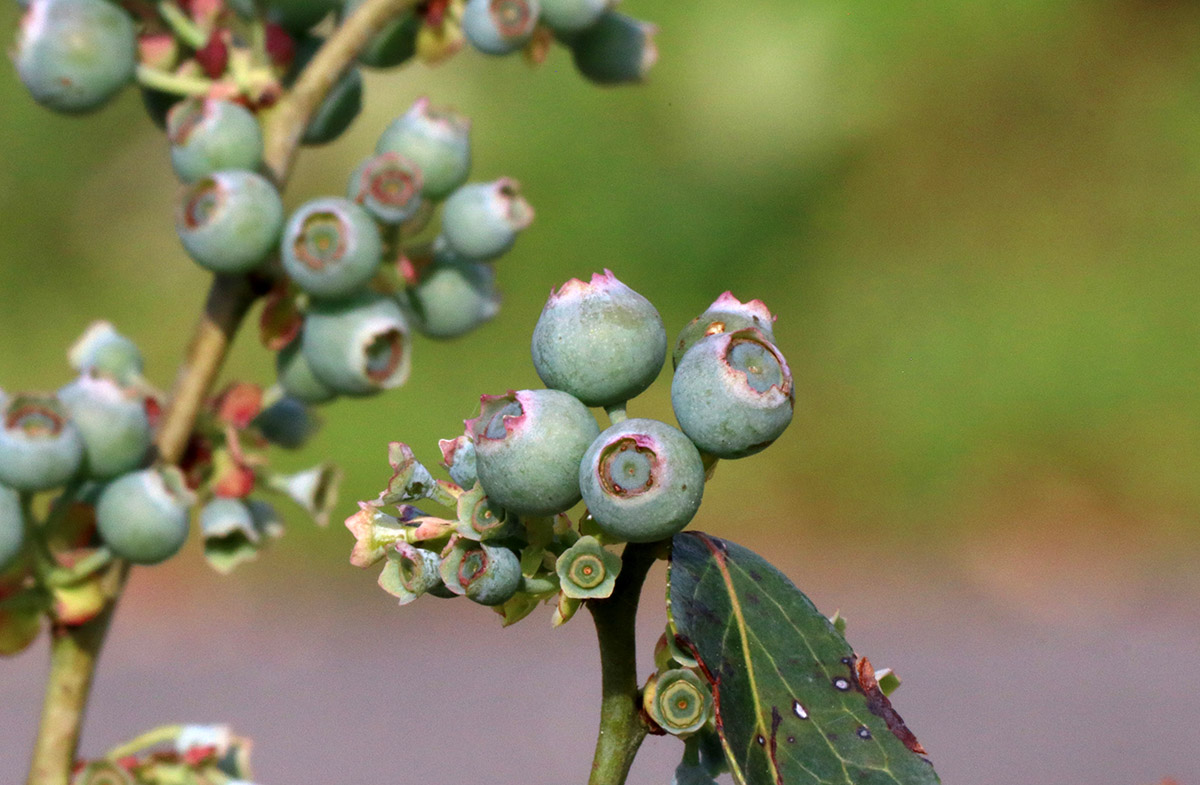
  • Green blueberries at Lake Elberta
    Green blueberries
  • Purple martin gourds
  • Bluebird box, with bluebird
    Bluebird box, with bluebird
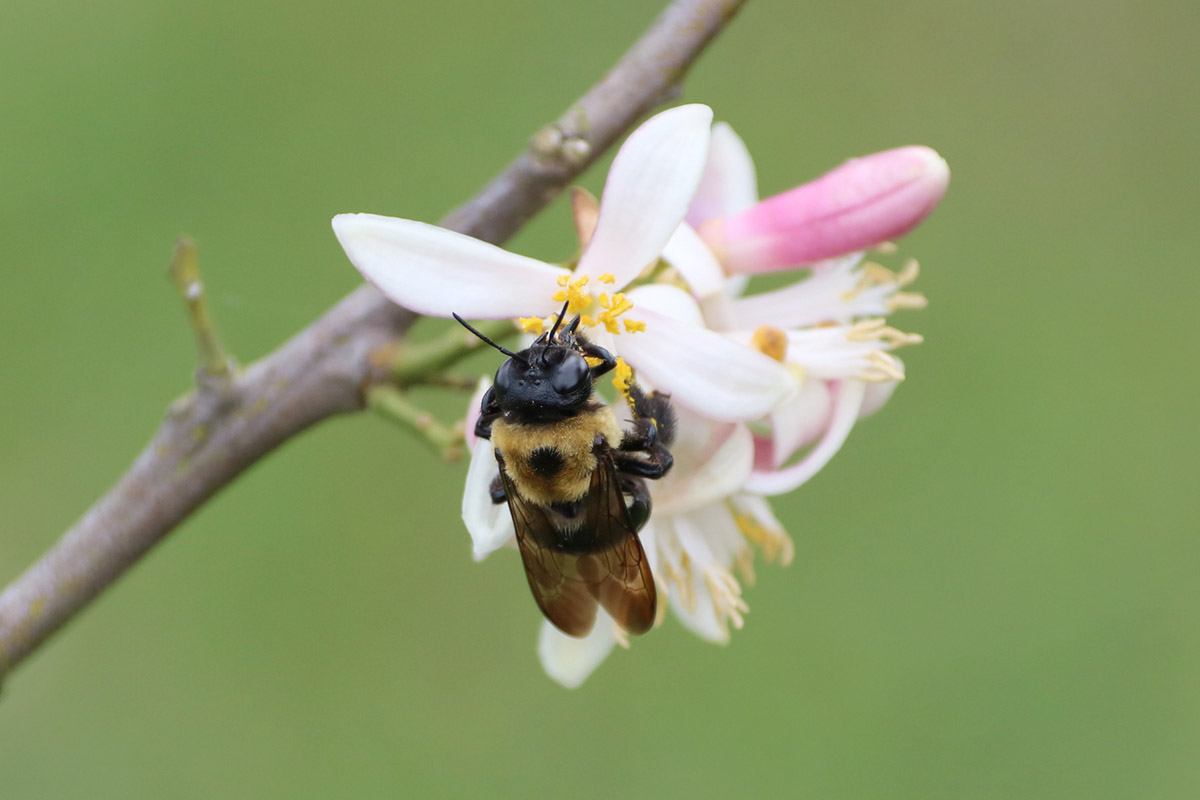
  • Bumblebee on citrus flower at Lake Elberta in Tallahassee
    Bumblebee on citrus flower

Lake Elberta and the Munson Slough System
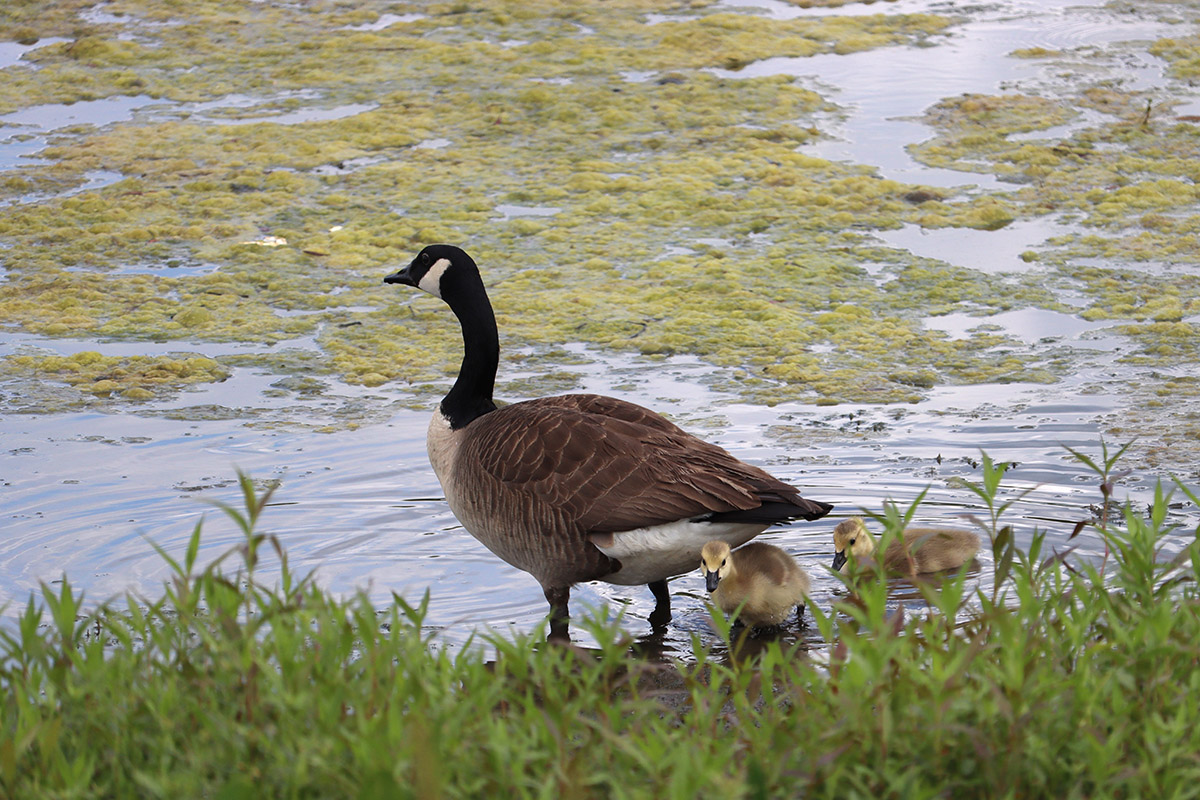
A goose and goslings about to step into algae filled water.
A goose and goslings step into algae filled water at Lake Elberta.

Lake Elberta is a holding pond in the Munson Slough storm drainage system. Munson Slough is a natural waterway which roughly borders the west side of Tallahassee. A network of canals drains the south of Tallahassee, heavily paved areas such as downtown, College Town, Florida State University, and Florida A & M University.

Rain carries fertilizers from lawns onto paved surfaces, which make their way into water bodies. Nitrogen from runoff feeds naturally occurring algae in the water, causing algae blooms. But, according to an unpublished study conducted by Alexis Chavez and Nelson Ball on behalf of Apalachee Audubon, this is why the lake was constructed:

“Lake Elberta’s intended function is to prevent pollutants from reaching Lake Munson, a highly degraded system downstream, and ultimately Wakulla Springs, one of Florida’s largest springs.”

The idea was to keep harmful pollutants away from one of our region’s premiere- yet imperiled- ecosystems. But now those pollutants sit in what has become, inadvertently, one of Tallahassee’s premiere ecosystems.
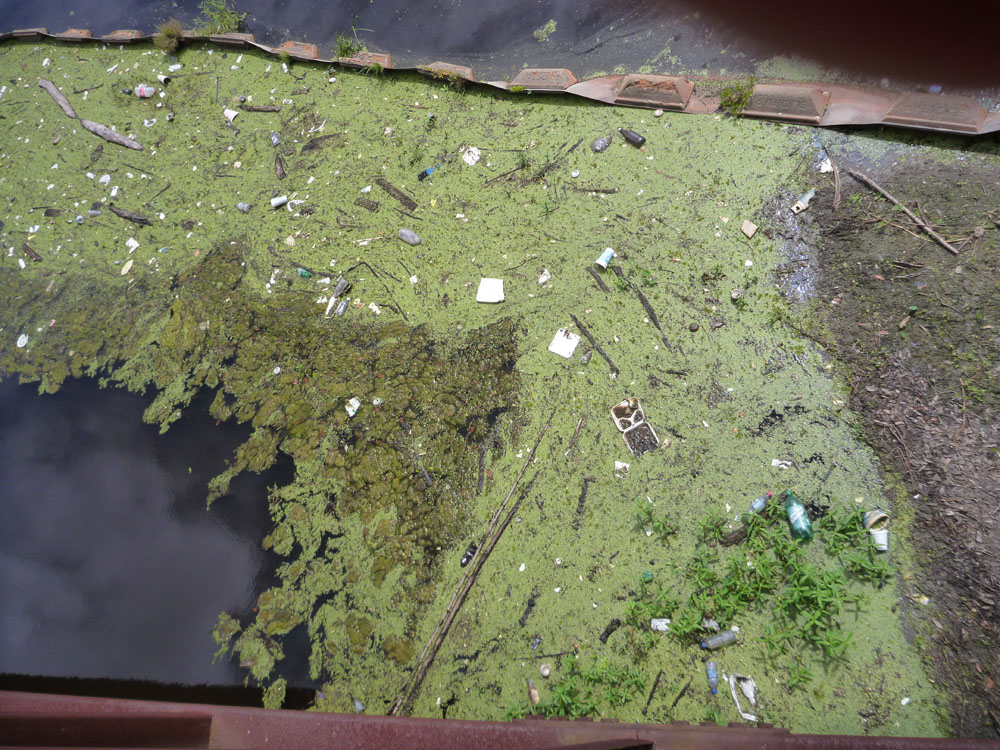
Where Munson Slough flows into Lake Henrietta.

A couple of miles south of Lake Elberta, Munson Slough flows into Lake Henrietta. Like its sister retention pond, it is both a birding hotspot (it’s the number 8 birding hotspot in Tallahassee, per eBird) while struggling with litter and algae blooms.

From Lake Henrietta, Munson Slough flows into Lake Munson, and from there into a sinkhole called Ames Sink. Dye traces have shown that water flowing into Ames Sink will emerge from Wakulla Spring within a couple of weeks.

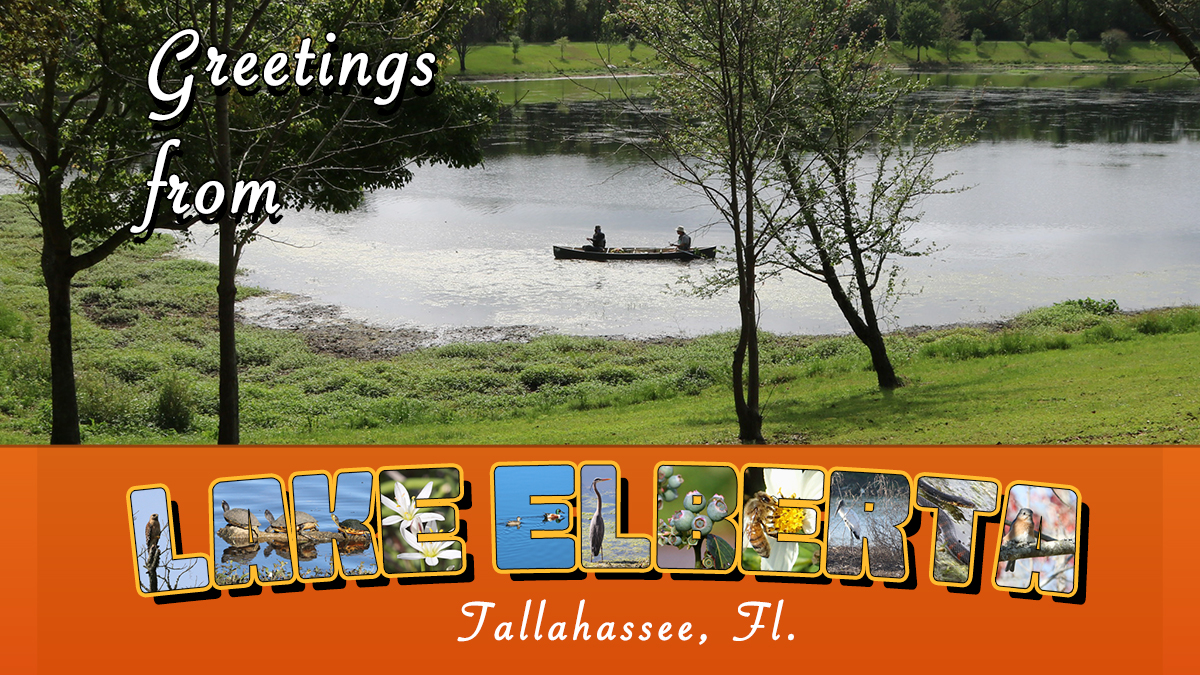
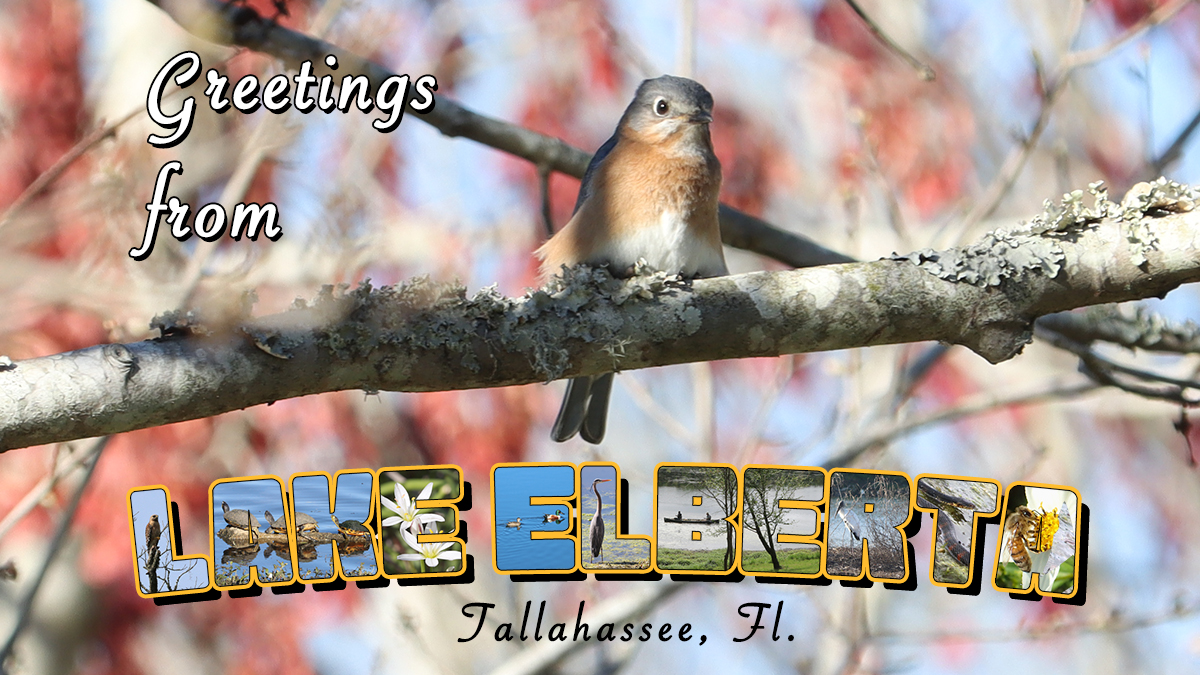
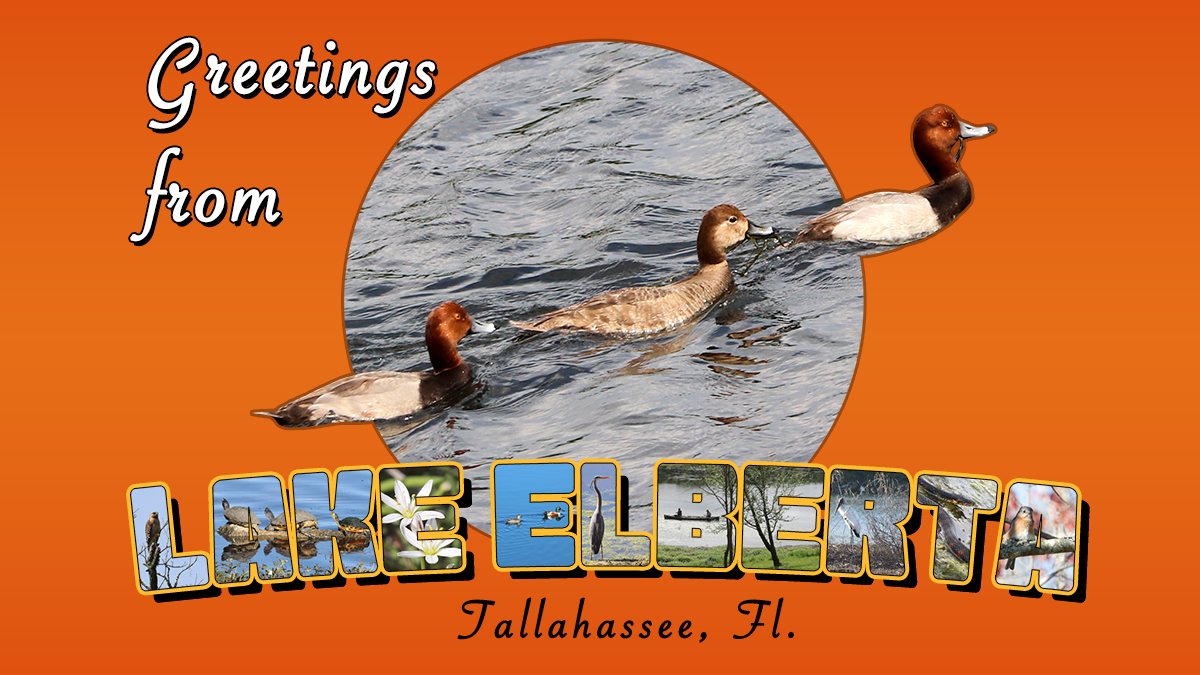
“Greetings from Lake Elberta” Postcards

For all of the challenges faced by Lake Elberta and other urban parks like it, there is much to celebrate here. WFSU designed these postcards as part of the Age of Nature project. Perhaps the QR code on the back of one brought you to this page.

They celebrate flora and fauna that make Lake Elberta a valuable urban habitat. A diversity of wildlife is drawn here despite the trash and algae. But what kind of habitat could it be were those problems to be solved?

Chloe Thompson is our Age of Nature Ecology Intern. Her experience at WFSU was centered on helping the Apalachee Audubon Society at Lake Elberta. She helped coordinate a cleanup of the lake, and in this post, she looks at the sources of the considerable litter in the lake. What can we learn about the flow of garbage into stormwater ponds, which often become valuable urban wildlife habitat?

Click to subscribe to the WFSU Ecology Blog

Share FacebookTwitterEmail

Search

Subscribe

Subscribe to receive more outdoor adventures, and an in depth look at our local forests and waterways by Email.

If you do not receive a verification e-mail, check your spam folder.

Category

iNaturalist

iNaturalist became a part of the WFSU Ecology Blog during the EcoCitizen Project in 2019.  Since then, we’ve used it to help identify the many plants and animals we see on our shoots.  And on the Backyard Blog, we show how it can be used to identify weeds and garden insects, to help figure out what’s beneficial or a possible pest.  Below is the iNaturalist profile belonging to WFSU Ecology producer Rob Diaz de Villegas.

iNaturalist


View robdv’s observations »

Most Recent

  • New WFSU Window Murals Help Local Birds (we hope)
  • O’Leno State Park when the Santa Fe River is low
  • Alum Bluff: Fossil Hotspot of the Apalachicola River
  • Sneads Smokehouse Lake: Dried-Down Headwater of the Aucilla River
  • Student Artists Join WFSU Ecology Blog

CLICK TO SUPPORT WFSU ECOLOGY

WFSU Public Media’s state and federal funding has been eliminated, but you can support locally produced science and environmental content by becoming a member. Your donation will allow us to continue producing the WFSU Ecology Blog, the Coast to Canopy podcast, and documentaries such as Finding the First Floridians. Thank you gifts include shout-outs on Coast to Canopy for a year and/ or a calendar of north Florida nature images straight from the pages of the Ecology Blog. 

  • Facebook
  • Twitter
  • Instagram
  • Flickr
  • Youtube

@2017 - PenciDesign. All Right Reserved. Designed and Developed by PenciDesign

The WFSU Ecology Blog
  • Home
    • About the WFSU Ecology Blog
    • EcoAdventures
      • Kayak and Canoe Adventures
      • Hiking
      • Wildlife Watching
    • Observations From the Field
      • White Pelicans Visit Dr. Charles L. Evans Pond in Tallahassee
      • An April Walk at Ochlockonee River WMA
      • Nesting Raptors at Honeymoon Island State Park
    • WFSU Public Media Home
  • Documentaries
    • Secrets of the Seep: A Voyage into the Mysteries of Ocean Carbon
    • Finding the First Floridians: Underwater Archeologists Uncover Florida’s Prehistory
    • In Their Words: Black Legacy Communities in North Florida
    • EcoCitizen Show | Seasons in South Tallahassee
    • Red Wolf Family Celebrates First Year at the Tallahassee Museum
    • Roaming the Red Hills
    • Oyster Doctors
    • Testing the Ecology of Fear
    • EcoShakespeare
    • Stories from the Apalachicola
    • Classic WFSU Ecology Documentaries
  • Habitats
    • Estuaries
      • Oyster Reef
        • The Effects of Predators and Fear on Oyster Reefs
        • Apalachicola Oyster Research
        • Animal Species in a North Florida Intertidal Oyster Reef
        • Oyster Reef Ecology | On the Reef
      • Salt Marsh
        • In the Grass- Salt Marsh Biodiversity Study
        • Plants and Animals of a North Florida Salt Marsh
        • Salt Marsh Ecology | In the Grass
      • Seagrass Bed
        • Predatory Snails, and Prey, of the Bay Mouth Bar Seagrass Beds
      • In the Grass, On the Reef Glossary
    • Waterways Big and Small
      • Aucilla/ Wacissa Watershed
      • Apalachicola Basin
        • Apalachicola Bluffs and Ravines | Virtual Field Trip
        • The Age of Nature Screening & Discussion | The Future of the Apalachicola
        • Apalachicola River and Bay
        • Apalachicola RiverTrek | Kayaking, Camping, & Hiking the River Basin
    • Longleaf Pine & Fire Ecology
  • Backyard Habitat
    • Backyard Blog
      • My Year in Bugs: the 2022 Backyard Blog
      • Backyard Ecology Blog | 2021
      • Backyard Blog November/ December 2020
      • Backyard Blog September/ October 2020
      • July and August 2020 Backyard Blog
      • Backyard Blog June 2020
      • Backyard Blog May 2020
      • Backyard Blog April 2020
      • Backyard Blog February and March 2020
      • Backyard Blog January 2020
      • Backyard Blog October through December 2019
      • Backyard Blog September 2019
      • Backyard Blog August 2019
      • Backyard Blog July 2019
      • Backyard Blog June 2019
      • Backyard Blog May 2019
      • Backyard Blog April 2019
      • Backyard Blog March 2019
      • Backyard Blog February 2019
      • Backyard Blog January 2019
      • The Backyard Bug Blog 2018
    • Backyard Flora and Fauna
      • Bees of North Florida and South Georgia
      • Wasps of North Florida: The Bad, the Ugly, and the (yes, really) Good
      • The Seasonality of Bees (and Bee Plants) in North Florida
      • Woody Vines of North Florida
      • Flies of North Florida are More Diverse than You’d Think
      • The Case for Weeds, Our Unsung Florida Native Plants
      • Devil’s Walkingstick: Your New Favorite Thorny Pollinator Plant?
      • Florida Native Milkweed | Tips for Growing Your Monarch Friendly Garden
      • Mistletoe | A Parasite for the Holidays (But Maybe We Like it Anyway?)
    • Florida Friendly Seasonal Planting Guide
    • Pollinator and Gardening Posts
    • Gardening Web Resources